Open,
but protected.
Protection that frightens customers loses sales; protection that frightens nobody loses the goods.
A jeweller’s or a luxury boutique lives on a difficult balance. It must be welcoming, bright, open to the street, with the goods on display. At the same time it holds, in a few square metres, a value that attracts people who plan thefts and robberies. Protection that frightens customers loses sales; protection that frightens nobody loses the goods.
The work starts by separating the moments of the day, because the risks change with the hours: the shop open, opening and closing, the night.
With the shop open: robbery
During opening hours the main risk is robbery, meaning someone who walks in as a customer. Here what matters most is the entrance and behaviour. A controlled entrance, which staff open after seeing who is arriving, filters without being rude. Cameras at the entrance, clearly visible, deter; those on the counter record.
Staff must be able to call for help without being noticed, with a discreet button linked to a security patrol or the police, and must know exactly what to do and what not to do. In a robbery the priority is people’s safety, not the goods: procedures exist above all for this.
Opening and closing: the most delicate minutes
Many raids happen when the shop opens or closes: the alarm is off, goods are being moved between windows and safe, staff are focused on other things. These minutes are predictable, and for that very reason they must be protected with clear rules: at least two people present, a check outside before opening the door, times and routes that are not always the same, the safe open as little as possible.
The system can help: a time delay on opening the safe, the ability to signal duress with a code different from the usual one, cameras covering the outside of the entrance before the door is opened.
At night: window, walls, safe
With the shop closed the risk changes: a smash-and-grab on the window, a break-in from the back, an attack on the safe, sometimes through walls or ceilings shared with other premises. The most valuable goods should spend the night in the safe, not in the window.
Windows and doors must hold out long enough for the alarm to go off and for help to arrive. For the most exposed points, including walls shared with other premises, seismic sensors make it possible to detect an attack while it is under way, as I explain in Seismic sensors: stopping a raid before the thieves get in.
A security fog system, which within seconds fills the premises with a dense, harmless fog, makes a successful break-in useless: whoever got in can no longer see anything. It works well, but must be designed with care, because it should activate only when needed.
The safe and the insurance
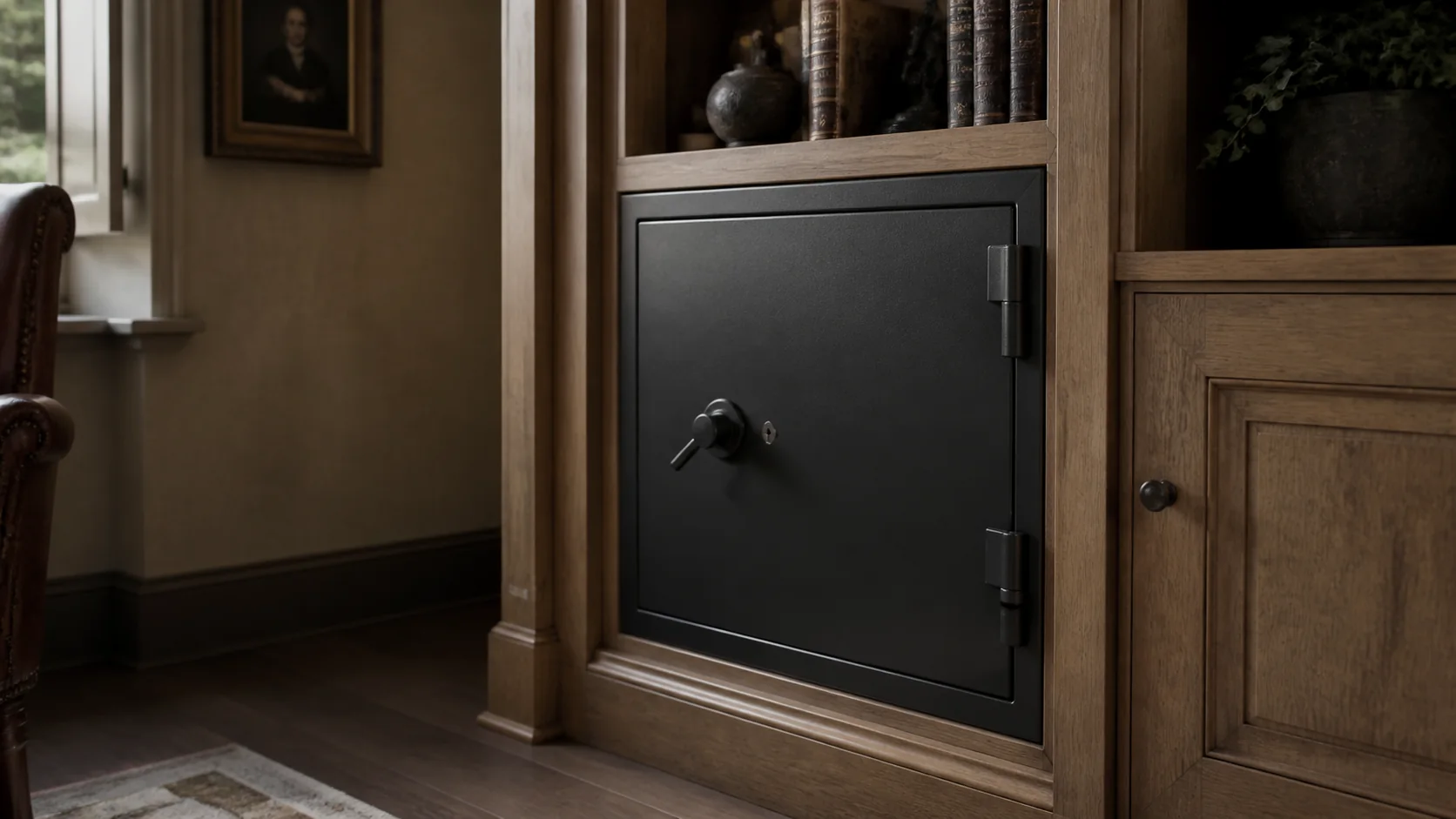
A safe is not chosen by size or price. Insurers set a cover limit for what can be kept inside based on the safe’s resistance grade: it is worth checking with your insurer before buying, not after. Anchoring to the floor or wall is part of the protection too, as is the sensor that warns if someone is forcing it.
One system, one point of control
Alarm, video, controlled entrance, fog system and panic buttons must be part of the same design and reach the same point: whoever receives an alarm must also see the images and know what is happening. That is what makes it possible to tell a false alarm from a real attack within moments, by day as by night.
The solutions for this sector are described on the NetCom Security Group page for jewellers, goldsmiths and luxury boutiques. The method for retail and other businesses is on the For businesses page.
The first consultation is free and confidential: how it works.
Frequently asked questions
When is a jeweller’s most at risk?
At opening and closing: the alarm is off and goods are being moved between windows and safe. These are the minutes to protect most carefully, with clear rules and at least two people present.
Is a security fog system safe for people?
Yes, the fog is harmless. It must, however, be designed with care so that it activates only when needed, usually when the shop is closed.
How do you choose the right safe?
Based on the value to be kept and what the insurer requires: the cover limit depends on the resistance grade. It is worth checking with the insurer before buying.
Do cameras really deter robberies?
Clearly visible cameras at the entrance deter; those on the counter record. On their own, though, they are not enough: a controlled entrance and clear staff procedures are needed.